


Aisles upon aisles of brightly coloured foil. Massive cardboard boxes stacked to the ceiling. The Easter bunny is officially on his way. And while your children are probably vibrating with pure excitement at the prospect, you might be looking at that mounting pile of sugary treats with a slight sense of impending doom.
It’s completely normal to feel that way.
We see it every single year. Parents sitting in our chairs, lowering their voices, and asking how on earth they’re supposed to navigate the upcoming sugar fest without entirely ruining their children’s teeth. The guilt is real. Modern parenting comes with a heavy dose of pressure to do everything perfectly. You want to provide a magical, fun-filled childhood, but you also want to protect their health. Sometimes those two goals feel like they’re directly colliding. We want to stop you right there and offer a bit of reassurance. We aren’t the fun police. Nobody here at the practice expects you to banish the Easter bunny or attempt the impossible task of swapping all the milk chocolate for organic carrot sticks. That just takes the joy out of the season. Many of us are parents too. We know exactly what it’s like when your little one bounds into the room on Easter Sunday morning with a basket full of shiny treasure. We want them to enjoy it. We really do. As a family dentist Cheltenham relies on, we believe in realistic, practical advice that actually fits into your daily life.
To understand how to manage the Easter stash, we need to talk a little bit about what actually happens in the mouth when that chocolate is eaten. It sounds a bit dramatic, but it’s a tiny battleground in there. Your mouth is home to millions of microscopic bacteria. They live naturally on your teeth in a sticky, invisible film we call plaque. Most of the time, they’re perfectly harmless houseguests. But these bacteria have a very sweet tooth. They love sugar just as much as a toddler does. When you eat something sugary, those bacteria feast on it. And as they digest that sugar, they produce acid as a by-product. It’s this acid that causes the real trouble. The acid attacks the hard, glossy outer layer of your teeth. That’s the enamel. Enamel is incredible stuff. It’s actually the hardest substance in the human body, stronger even than bone. But despite its strength, it isn’t invincible. If it’s subjected to enough acid over a prolonged period, the minerals within the enamel start to dissolve. It begins to weaken and break down. This process is called demineralisation, and it’s the very first step in how cavities form.
The Binge Over the Graze
The whole focus of preventing cavities is simply managing those acid attacks. And this brings us to a fascinating piece of dental biology that completely changes how we should handle the chocolate hoard. Every single time you eat something sugary, your teeth are subjected to an acid attack that lasts for roughly forty to fifty minutes. It takes that long for your mouth to naturally clear the danger. After that forty-minute window, your saliva steps in to save the day. Saliva is wonderful, underappreciated stuff. It acts like a natural washing machine, neutralizing the acid and bathing your teeth in calcium and phosphate. It actually helps to repair the tiny microscopic bits of damage the acid just caused. It restores the natural, safe balance in your mouth. But this repair process takes time and peace. Imagine a very common Easter scenario. Your child has a moderately sized chocolate egg. They break off a tiny piece and eat it at ten in the morning. That triggers a forty-minute acid attack. Saliva starts to do its healing work around ten forty. But then, at eleven, they walk past the kitchen counter, spot the egg, and grab another little chunk. The clock immediately resets. Another forty-minute acid attack begins. Then they have another piece after lunch. Then a nibble mid-afternoon. Then a final bit before dinner.
If they graze on that egg slowly throughout the entire day, their teeth are under constant, relentless attack from the acid. The saliva never gets a chance to catch up. The enamel never gets a chance to remineralise and recover. The environment in their mouth remains acidic from morning until night. This leads us to a piece of advice that almost always raises a few eyebrows when we tell mums and dads. When it comes to chocolate and protecting those little smiles, it’s actually far better to let them eat a larger amount all in one go rather than making it last. We call it the binge over the graze. We know it sounds entirely wrong. It goes against everything we’re taught about moderation. It feels reckless to encourage eating a big pile of chocolate at once. But from a purely dental perspective, eating half an Easter egg in a single sitting causes one single acid attack. Grazing on that exact same amount of chocolate over five hours causes five separate, damaging acid attacks.
A massive part of successful children’s dentistry is finding realistic ways to live alongside sugar. Because sugar exists. It’s a part of childhood, celebrations, and life. So, instead of fighting a losing battle trying to hide the chocolate or doling out tiny, damaging rations, we suggest managing the timing of the treats. Offer the Easter sweets straight after a main meal. This is a brilliant trick. If you hand out the chocolate right after Sunday lunch, their mouths are already producing lots of saliva from eating the main course. The mouth is already in active digestion mode. The acid attack is significantly minimised because the extra saliva helps wash away the sugars much faster. They get to enjoy their treat, and their enamel gets a fighting chance.
Think about the psychology of it as well. Kids often want to drag things out or hide their sweets because they’re afraid the treats will disappear or be confiscated. If you have an open, relaxed conversation about it, you can create a new, healthier routine. Maybe there’s a designated dessert time in the afternoon. They can choose exactly what they want from their stash, sit down, and really enjoy it without rushing. Once that time is over, the kitchen is closed for sweets until the next day. They still get the excitement of the holiday. You still get peace of mind. And most importantly, their teeth get the rest they desperately need to stay strong.
Sticky Villains and Better Bedtimes
It’s also incredibly helpful to think about the types of treats the Easter bunny is delivering. Not all sweets are created equal when it comes to oral health. Solid chocolate is actually one of the better options. It melts relatively quickly in the mouth and washes away fairly easily. Dark chocolate is even better because it typically contains far less sugar than milk chocolate, though we admit it can be a tough sell for a five-year-old. The real villains of the sweet world are the sticky, chewy things. Toffee, caramel-filled eggs, nougat, jelly beans, and gummy sweets are a nightmare for teeth. These sticky treats cling stubbornly to the deep grooves in the back molars. They’re incredibly difficult for saliva to wash away naturally. Even a good toothbrush struggles to dislodge sticky caramel from a tiny crevice. If you have any influence over what gets bought, try to gently steer relatives towards the solid chocolate options and away from the chewy, sticky stuff.
If you have older children or teenagers going through orthodontic treatment, this advice is even more urgent. Braces and sticky Easter treats are a recipe for disaster. Caramel and toffee can easily snap wires and pull brackets right off the teeth, leading to an emergency trip to see us. Stick entirely to soft, solid chocolate for the teenagers with train tracks. Beyond the eating habits, the Easter holidays are a brilliant time to rethink how we celebrate as a family. The chocolate egg hunt is an absolute classic. We all remember the thrill of rushing around the garden, peering under plant pots and checking behind the shed. But the hunt itself is the fun part. The thrill is in the search, not necessarily just in finding a piece of chocolate.
You could mix things up a bit this year. Try hiding brightly coloured plastic eggs filled with small toys, stickers, or coins. You could even turn it into a treasure hunt where you put little puzzle pieces in the eggs. When they find them all, the puzzle reveals a larger family prize, like a promise for a trip to the cinema, a new board game, or letting them choose the family dinner that night. It takes the heavy focus off the sweet stuff without dampening the excitement one bit. Plus, it gets everyone running around outside in the fresh air. After a long day of hunting, eating, and hopefully a good walk around the Cotswolds to burn off some of that energy, the evening routine becomes incredibly important. This is where we step in as your partners in dental health. We see a lot of tired families. We know that wrangling an exhausted, sugar-fueled child into the bathroom at the end of a bank holiday is quite literally the last thing anyone wants to do. The temptation to just let them fall into bed is huge. But brushing before bed is absolutely non-negotiable, especially during the holidays. That evening brush is the most important one of the day. It sweeps away the lingering plaque bacteria that have been multiplying, and it gives the teeth a vital coating of protective fluoride to work with overnight.
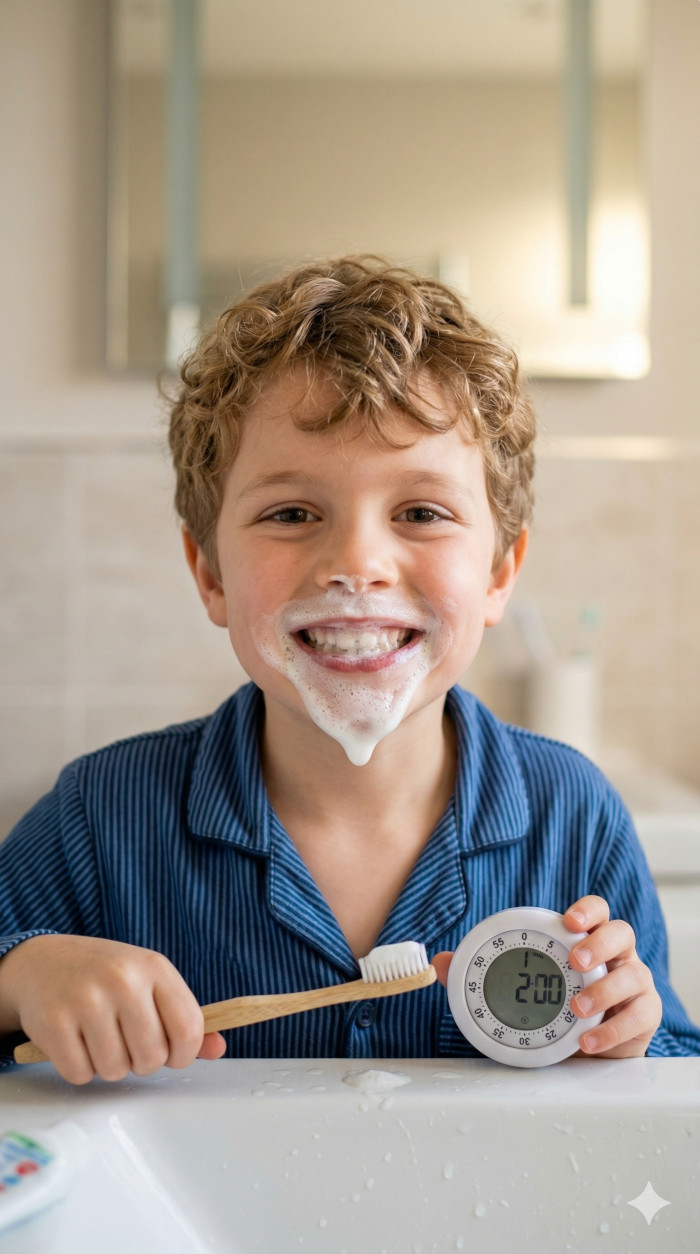
Make sure they’re brushing for a full two minutes. It feels like an absolute eternity when you’re standing there watching them scrub. Put a timer on, or better yet, play a song on your phone. Two minutes of their favourite pop track makes the time fly by and stops the constant asking of whether they are finished yet. And here is a little secret that a surprisingly large number of adults don’t even know. It’s a habit we’re all guilty of from childhood. When you or your children finish brushing, spit out the excess toothpaste into the sink, but absolutely don’t rinse your mouth out with water. Rinsing is a habit we need to break. When you swish water around and spit it out, you’re washing away all the beneficial fluoride left behind by the toothpaste. We want that fluoride sitting right there on the teeth while they sleep. It spends the night hardening the enamel and actively reversing any early signs of damage from the day’s chocolate. Just spit and leave it. It feels a bit strange at first, but it makes a massive difference to their long-term oral health.
Real Life Dentistry
We also often hear parents ask if baby teeth really matter that much. Since they’re going to fall out anyway, is a small cavity really a big deal? The short answer is yes, they matter immensely. Baby teeth act as essential placeholders for the adult teeth growing underneath them. If a baby tooth is lost too early due to decay, the surrounding teeth can shift and move into the empty space. This blocks the path for the adult tooth, leading to crowding and crooked teeth later on. Keeping those baby teeth healthy saves a lot of trouble down the line.
Another incredibly simple trick to get through the holiday is encouraging plenty of plain water. Keep water bottles filled and within easy reach all day. After they’ve had their designated chocolate time, hand them a glass of water. A really good swish of water helps dislodge sticky bits of chocolate and neutralizes the acid in the mouth much faster than saliva alone. Avoid the temptation to offer fruit juices, cordials, or fizzy drinks alongside the chocolate. That’s just adding more sugar and more acid on top of an already challenging situation. Stick entirely to plain water or milk. Milk is fantastic because it contains calcium and phosphorus, which are essentially the building blocks of teeth. A glass of milk with a piece of chocolate is a much kinder combination for their mouths. Every household runs differently. We have patients from all walks of life coming through our doors. Some kids are meticulous brushers who love the routine. Others treat the toothbrush like an instrument of pure torture and clamp their mouths shut the second they see it. Whatever your reality looks like right now, just aim for progress, not absolute perfection. If they miss a spot one night, the world won’t end. The overarching goal is building consistent, positive habits over the years.
The school holidays are also a very natural reminder to check in on everyone’s dental health. With the kids off school and the morning rush paused, it’s often a convenient time to pop in for a routine visit. We absolutely love seeing families come in together. It normalizes the entire experience for the little ones. They get to see mum or dad sitting in the chair, having a relaxed chat with us, and they realize it’s a perfectly safe, completely ordinary thing to do. Early exposure like this is the absolute cornerstone of good dental habits. We want them to grow up viewing a trip to the clinic as just another normal part of keeping themselves healthy. Exactly like getting a haircut or trying on new school shoes. There should be no fear attached to it. Just a friendly face checking their smile. Parenting is a constant, exhausting juggling act. You’re forever balancing what is fun with what is responsible. We deeply understand the pressure you’re under. You want to give them magical childhood memories, and those memories very often involve a bit of indulgence and a lot of chocolate. We support that completely. You don’t have to choose between a fun Easter and healthy teeth.
Just keep the simple things in mind as the long weekend approaches. Group the sugary treats together rather than spreading them out. Give the teeth a long, solid rest in between meals to let the saliva do its job. Brush incredibly well right before bed, and remember to spit rather than rinse. You don’t need to be a perfect parent to protect those smiles. Enjoy the spring sunshine, enjoy the chaotic time together as a family, and definitely pour yourself a cup of tea and enjoy a piece of chocolate yourself. After surviving the excitement of the Easter bunny, you’ve more than earned it.
Written by Dr Jakub Wojcicki,
Dentist at Oriel Villas Dental Surgery
(GDC No. 84982)